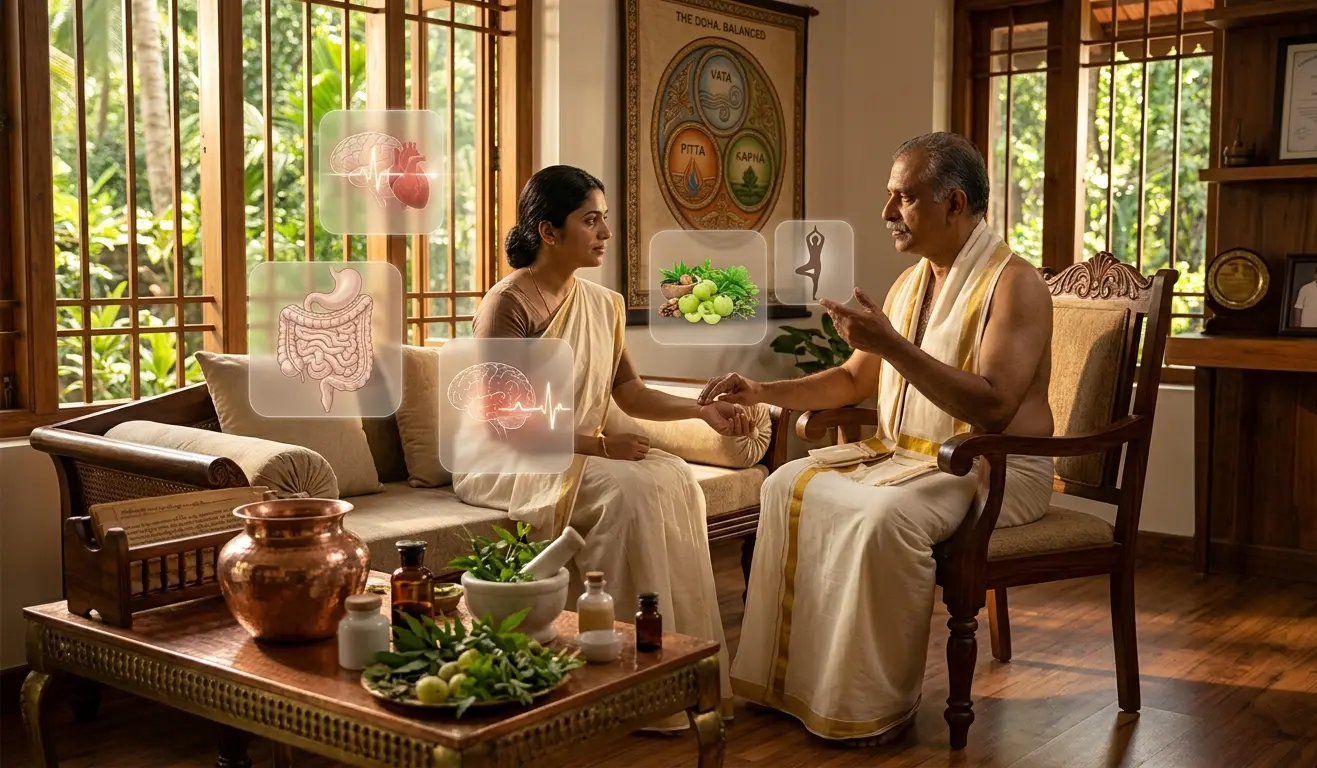
Ayurveda vs Modern Medicine: Which Is Better? A Fourth-Generation Ayurvedic Doctor’s Perspective

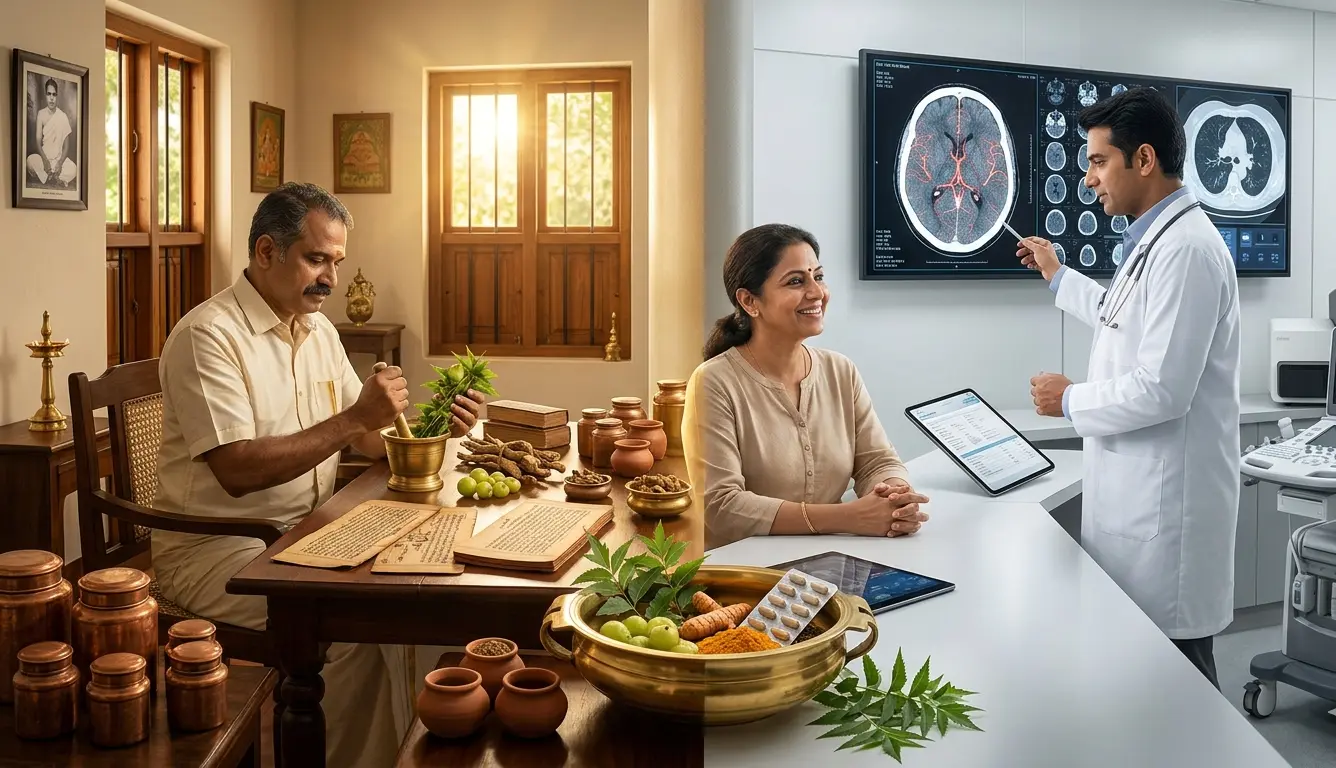
Ayurvedic Medicine vs Modern Medicine:Ayurveda and Modern Medicine are not competitors—they are complementary systems with different strengths. Modern Medicine excels in emergencies, acute illnesses, and surgical interventions, while Ayurveda focuses on identifying root causes, restoring balance, preventing disease, and supporting long-term wellness. The most effective healthcare often comes from understanding when and how to use both approaches together.
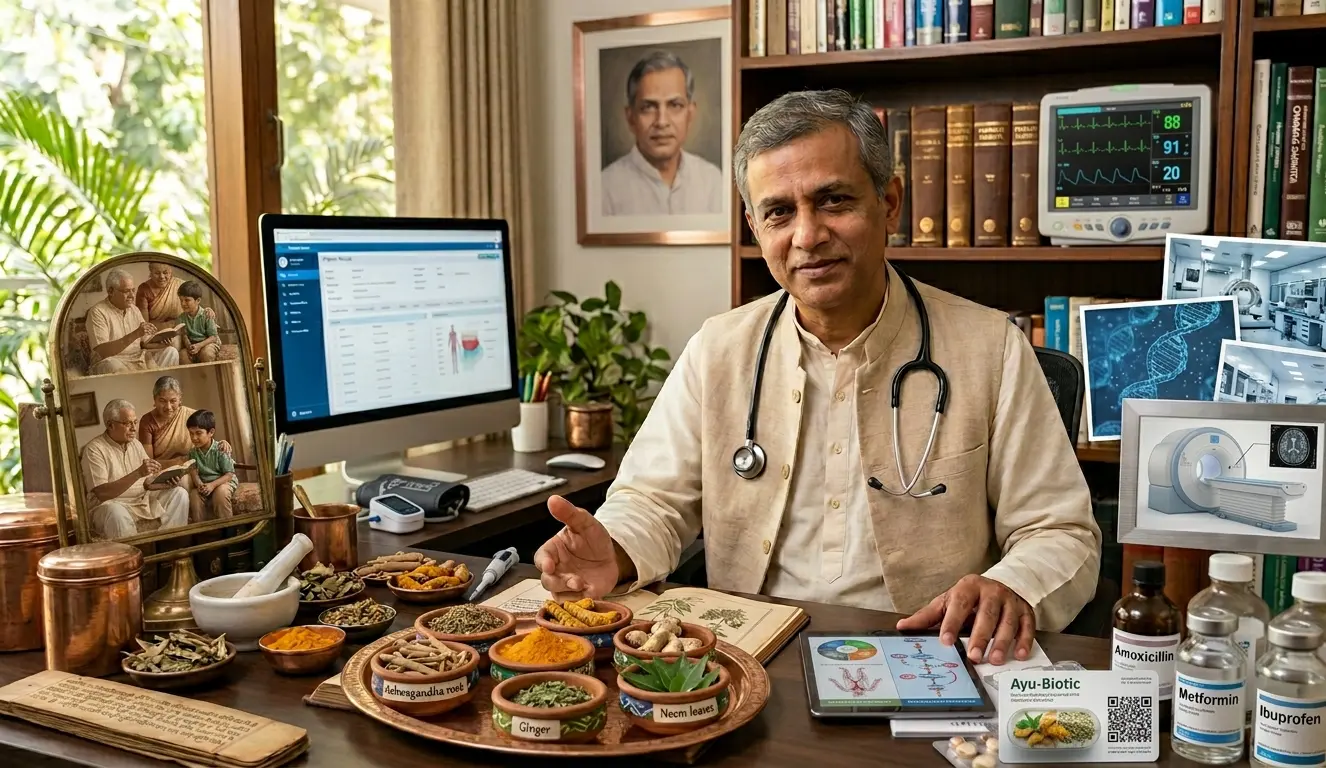
Ayurvedic Medicine vs Modern Medicine: Understanding the Real Difference
One of the most common questions patients ask me is, “Which is better—Ayurvedic Medicine or Modern Medicine?”As a fourth-generation Ayurvedic doctor, my answer is always the same: neither system is universally better. They serve different purposes and excel in different situations.The simplest way I explain it is this:
Modern Medicine is like a fire brigade. It is exceptionally effective at rushing in to extinguish a fire—whether that’s a severe infection, trauma, heart attack, or surgical emergency. Its strength lies in crisis management and rapid intervention.
Ayurveda is like a garden architect. Instead of focusing only on the fire, Ayurveda examines the soil, water, climate, and environment that allowed the fire to start. It seeks to identify and address the root causes of imbalance, helping the body restore its natural ability to heal and maintain health.
Both approaches are valuable. The key is knowing when to use each one.
When Modern Medicine Is the Best Choice
There are situations where Modern Medicine is not only beneficial—it is essential.
I always recommend immediate modern medical care for:
- Heart attacks
- Strokes
- Severe infections such as pneumonia
- Fractures
- Appendicitis
- Emergency surgeries
- Acute medical crises
In these situations, advanced diagnostics, surgical techniques, and pharmaceutical interventions save lives.
As healthcare professionals, we must recognize and respect these strengths.
When Ayurveda Is the Best Choice
Ayurveda shines in areas where long-term balance and lifestyle play a major role.I commonly recommend Ayurveda for:
- Digestive disorders
- Irritable Bowel Syndrome (IBS)
- Chronic skin conditions
- Persistent fatigue
- Stress-related disorders
- Sleep disturbances
- Early-stage metabolic conditions
- Preventive healthcare and wellness
Many patients come to me saying:
“Doctor, all my reports look normal, but I still don’t feel healthy.”
This is where Ayurveda often provides valuable insights. Rather than focusing solely on laboratory values, Ayurveda examines digestion, lifestyle, sleep quality, emotional health, and constitutional balance.
Real Patient Experiences: When Ayurveda Filled the Gaps
Case Study 1: Chronic IBS and Digestive Distress
One patient had struggled with IBS for several years.They had tried multiple medications, including antibiotics and antispasmodics. While these treatments temporarily reduced symptoms, the condition repeatedly returned.
Through Ayurvedic assessment, we focused on improving Agni (digestive fire) and correcting imbalances in their daily routine, known as Dinacharya.
Over approximately three months, the patient followed a personalized Ayurvedic diet and herbal protocol.The result was significant improvement in symptoms and, more importantly, long-term stability maintained primarily through lifestyle changes rather than continuous medication.
Case Study 2: Post-Viral Fatigue
Another patient experienced prolonged fatigue after recovering from a viral illness.
Despite feeling exhausted daily, their medical tests appeared normal.
This often leaves patients frustrated because they know something is wrong, yet no specific medical explanation is found.
Using Ayurvedic Rasayana (rejuvenation) therapies and individualized treatment aimed at restoring Dosha balance, the patient’s energy gradually improved.
This experience reinforced an important lesson: sometimes healing requires restoring vitality, not merely treating a measurable disease.
The Power of Integrative Healthcare
The most successful outcomes I have witnessed often come from combining the strengths of both systems.
Diabetes Management
A patient may initially require modern medications to quickly stabilize blood sugar levels.
At the same time, Ayurvedic dietary guidance, herbal support, yoga, and lifestyle modification can improve metabolic health and insulin sensitivity.
The goal is not replacing one system with another but creating a sustainable long-term strategy.
Recovery After Surgery
Modern surgery may solve a structural problem.However, healing does not end in the operating room.
Ayurvedic nutrition, gentle therapies, and individualized recovery plans can support tissue healing, reduce inflammation, improve energy levels, and help patients regain overall wellness more effectively.
The Biggest Misconception About Ayurveda
One of the most persistent myths is:“Ayurveda is just home remedies or spa treatments.”This misunderstanding significantly undervalues the depth of Ayurvedic medicine.
Ayurveda is a sophisticated medical system with:
- Detailed diagnostic methods
- Clinical treatment protocols
- Specialized therapeutic branches
- Personalized treatment planning
- Preventive healthcare strategies
A common mistake is assuming that because an herb is beneficial for many people, it is appropriate for everyone.
Ayurveda is fundamentally personalized. Treatment recommendations depend on a person’s unique Prakriti (constitution) and current state of imbalance.
The Biggest Misconception About Modern Medicine
From the Ayurvedic community, I sometimes hear:”Modern Medicine only suppresses symptoms.”This is equally misleading.Modern Medicine is one of the most advanced diagnostic systems ever developed.The problem often lies in expectations.
Patients sometimes expect an Ayurvedic treatment to work as rapidly as a pharmaceutical painkiller. Others expect a surgeon to provide extensive lifestyle coaching.Each system was developed for different purposes.
Understanding those differences allows patients to benefit from both without unrealistic expectations.
A Personal Lesson From Clinical Practice
One of the defining lessons in my professional journey has been observing patients whose conditions persisted despite technically correct medical treatment.In many cases, the medication was not the problem.The missing piece was the person.Sleep quality, emotional stress, digestion, daily habits, and lifestyle factors were often overlooked.Seeing chronic conditions improve after addressing these foundational elements strengthened my confidence in Ayurveda’s holistic approach.Health is rarely just about a disease. It is about the individual living with that disease
Wisdom From Four Generations of Ayurvedic Practice
One lesson passed down through generations in my family remains highly relevant today:Never stop observing the patient.Before advanced diagnostic technology existed, Ayurvedic physicians relied on careful observation of pulse, tongue, skin, posture, digestion, and behavior.Modern technology has transformed healthcare, and rightly so.However, we should never allow data to replace human observation.A patient is more than a collection of laboratory values. They are a complete person with a unique story, lifestyle, and environment.
Benefits Patients Commonly Report After Ayurvedic Care
While symptom relief is important, patients frequently describe benefits that go beyond their original complaint.These include:
- Greater Self-Awareness
- Improved Emotional Stability
- Increased Confidence in Managing Health
- Sustainable Wellness
So, Which Is Better: Ayurveda or Modern Medicine?
My answer is simple.Neither is better. Both are necessary.
If you are involved in a car accident, you need a surgeon. That is the strength of Modern Medicine.If you want to maintain your health, improve your lifestyle, strengthen digestion, manage stress, and prevent chronic disease, Ayurveda offers valuable tools.The future of healthcare is not choosing one system over the other.It is understanding how to use each system where it performs best.
Ayurveda and Modern Medicine are often portrayed as rivals, but in reality, they are partners with different areas of expertise.Modern Medicine provides life-saving interventions when immediate action is required.Ayurveda provides a roadmap for long-term balance, prevention, and holistic wellbeing.As a fourth-generation Ayurvedic doctor, I believe the best healthcare approach is one that combines scientific innovation with timeless wisdom—treating not just the disease, but the person as a whole.