
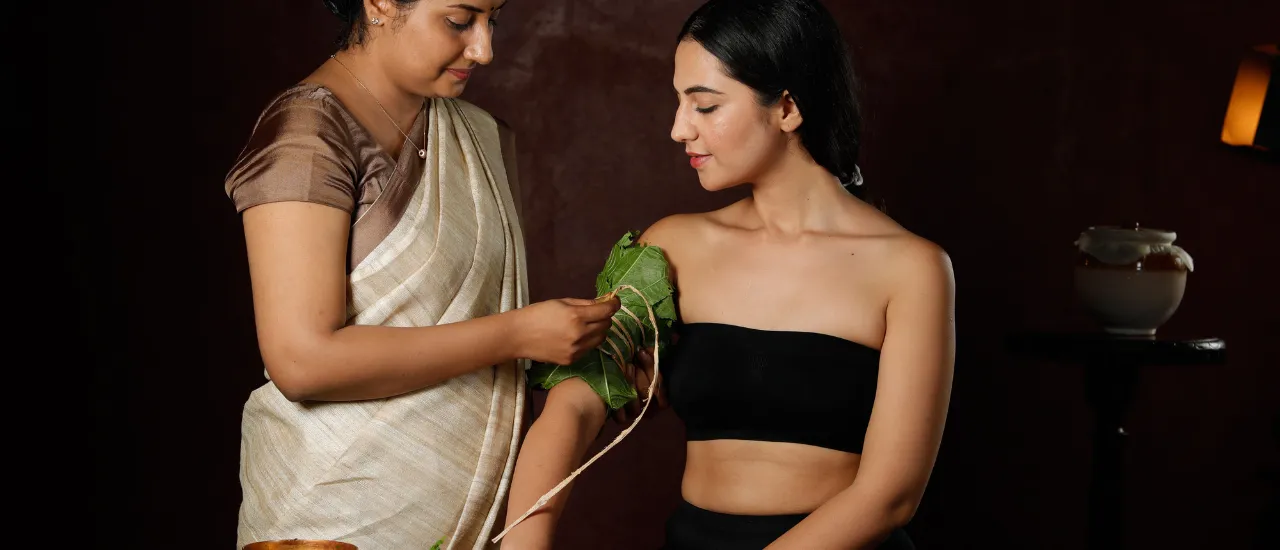
If you are reading this, you have likely tried painkillers, injections, physiotherapy, or even been advised surgery—only to find that the pain, stiffness, and restricted movement keep returning once the treatment stops. I am Dr. Arun Radhesh R., and through years of clinical practice and research, I have learned that joint disorders such as Osteoarthritis, chronic knee pain, and degenerative joint conditions are rarely just a problem of aging or wear and tear. They are often a sign of deep internal imbalance, tissue depletion, and impaired circulation. As a fourth-generation Ayurvedic physician with a Doctorate in medical research, I do not believe in temporary pain suppression. My goal is to reduce degeneration, nourish weakened joints, restore mobility, and help you regain a pain-free, active life—naturally and sustainably.
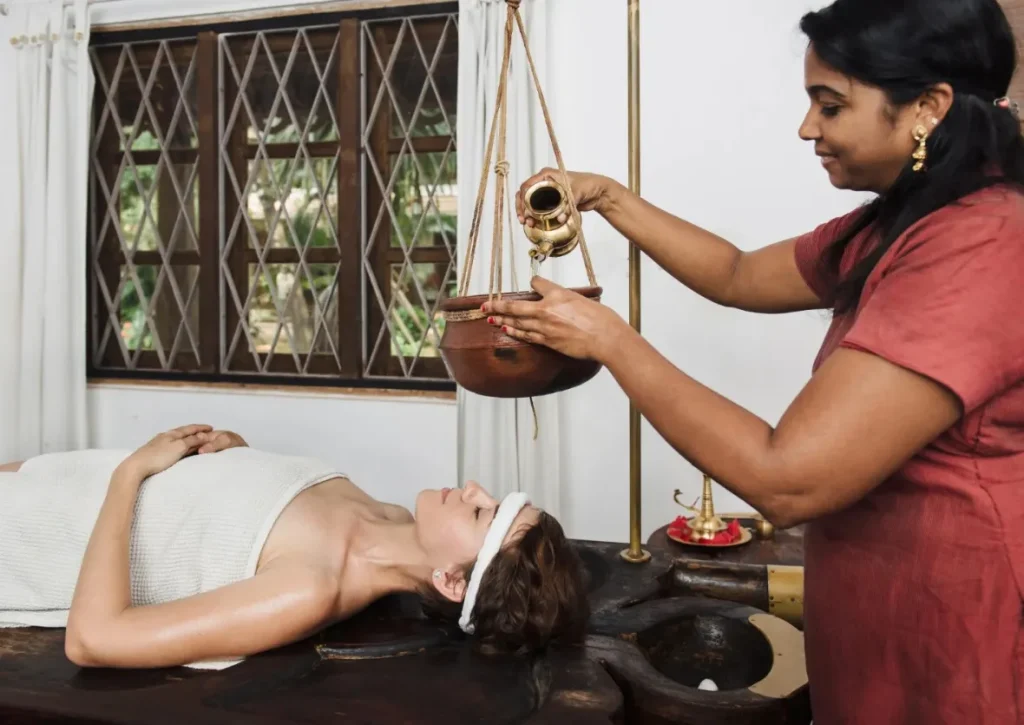
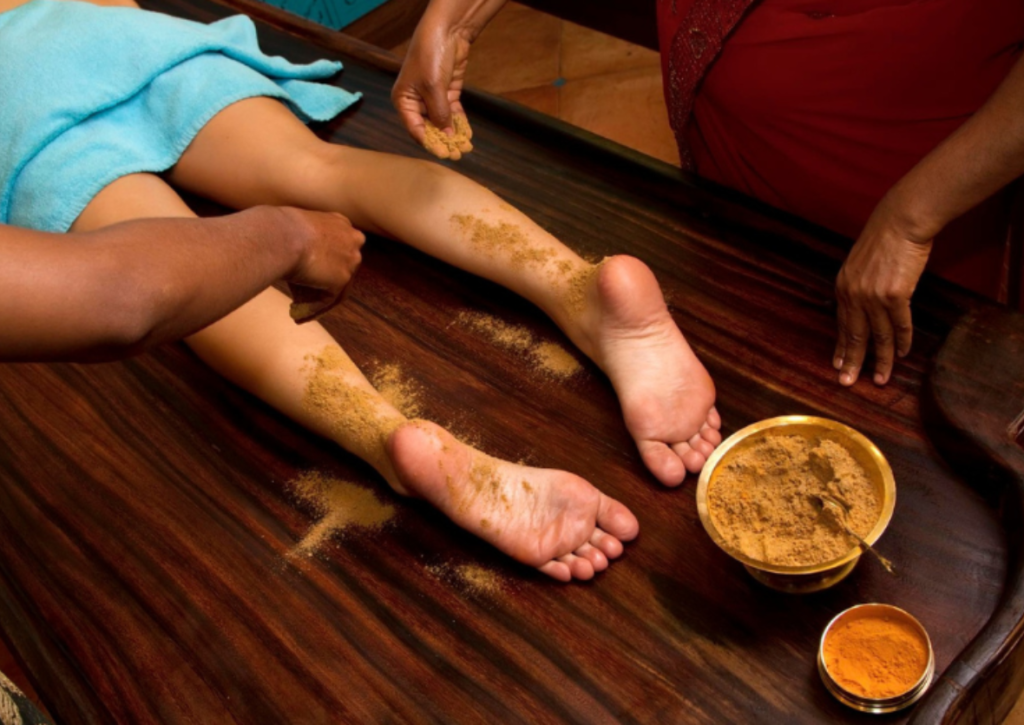
In Ayurveda, osteoarthritis is primarily understood as a Vata-dominant disorder, often complicated by the accumulation of Ama (metabolic toxins) and depletion of Asthi and Majja Dhatus (bone and marrow tissues). When joints lose lubrication and nourishment, pain, stiffness, cracking sounds, and reduced flexibility appear. Painkillers may dull the sensation temporarily, but they do not rebuild cartilage, improve lubrication, or correct the underlying imbalance. Suppressing pain without correcting Vata imbalance is like silencing an alarm while the fire continues to burn.
Eliminating toxins that block joint nutrition and worsen inflammation.
Restoring lubrication, flexibility, and strength to affected joints.
Slowing degeneration and supporting long-term joint health.
Every joint condition is different, so I begin with a detailed evaluation of your pain, stiffness, mobility, and daily routine. Lifestyle habits, digestion, posture, stress levels, and past injuries are carefully assessed. This helps identify whether the condition is due to degeneration, toxin accumulation (Ama), or Vata imbalance.
Joint disorders are often worsened by toxins and aggravated Vata dosha within the body. Personalized Panchakarma therapies help cleanse the system and restore internal balance. Internal medicines improve digestion, reduce inflammation, and enhance joint lubrication. This phase prepares the body for deep healing and long-lasting relief.
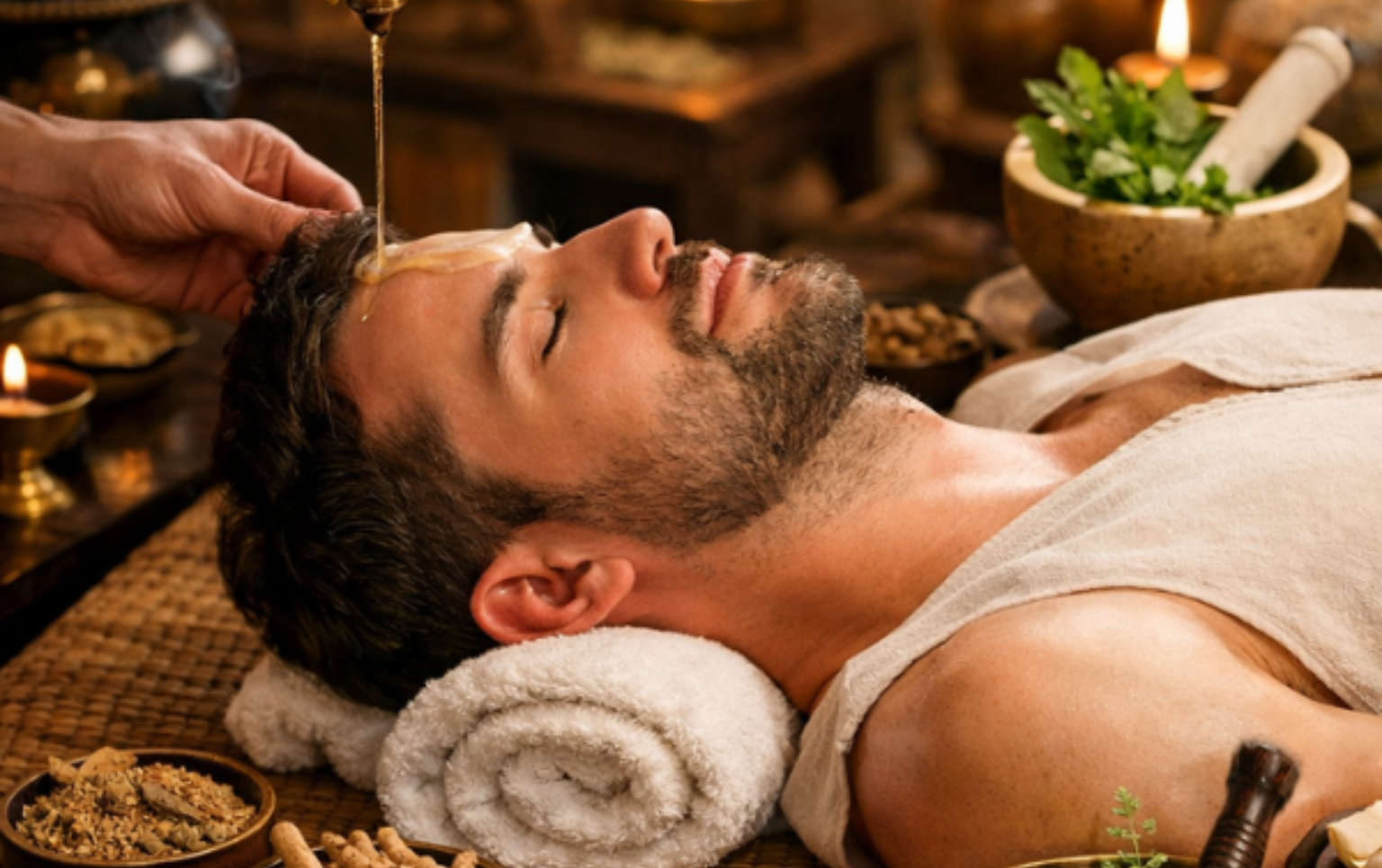
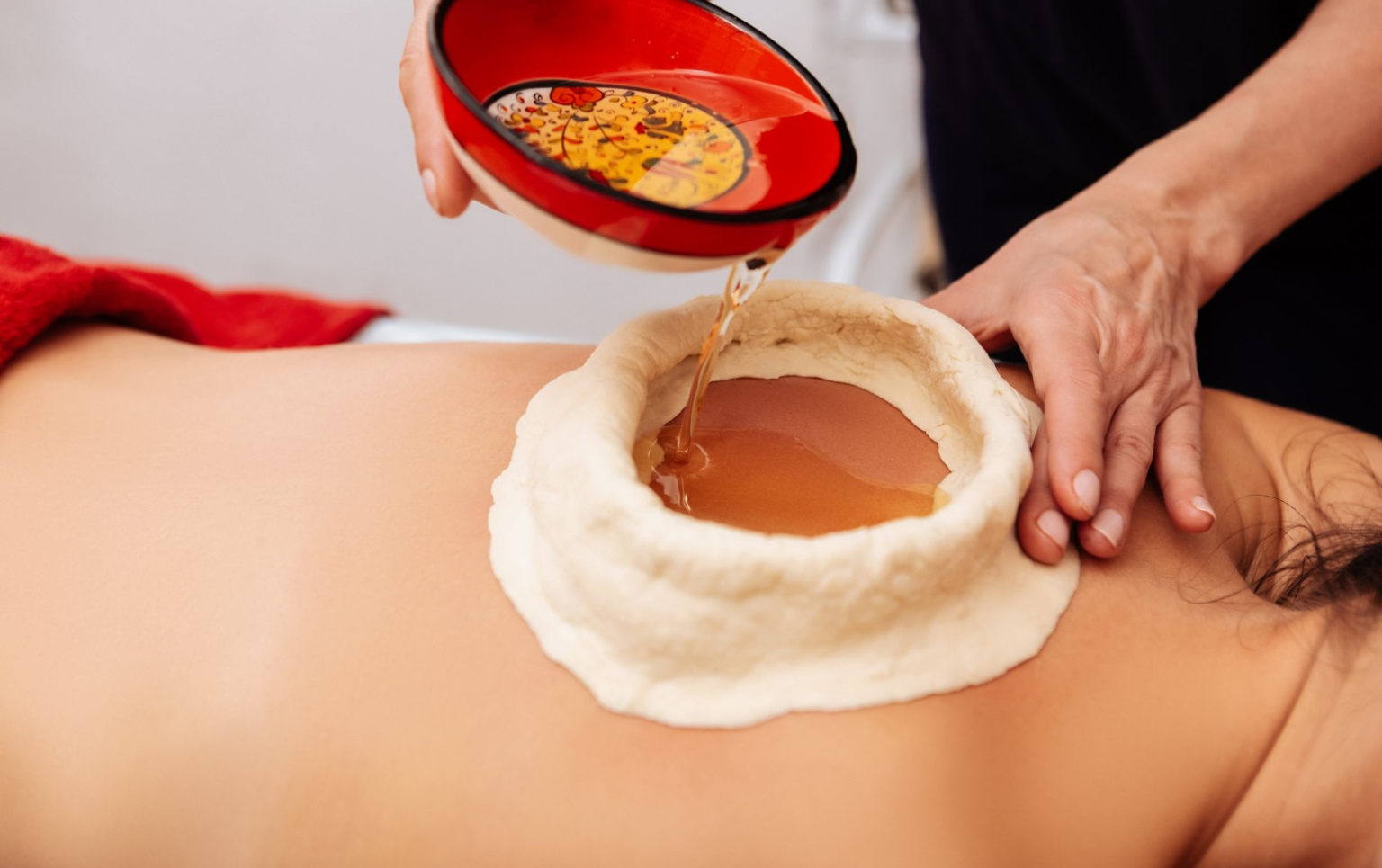
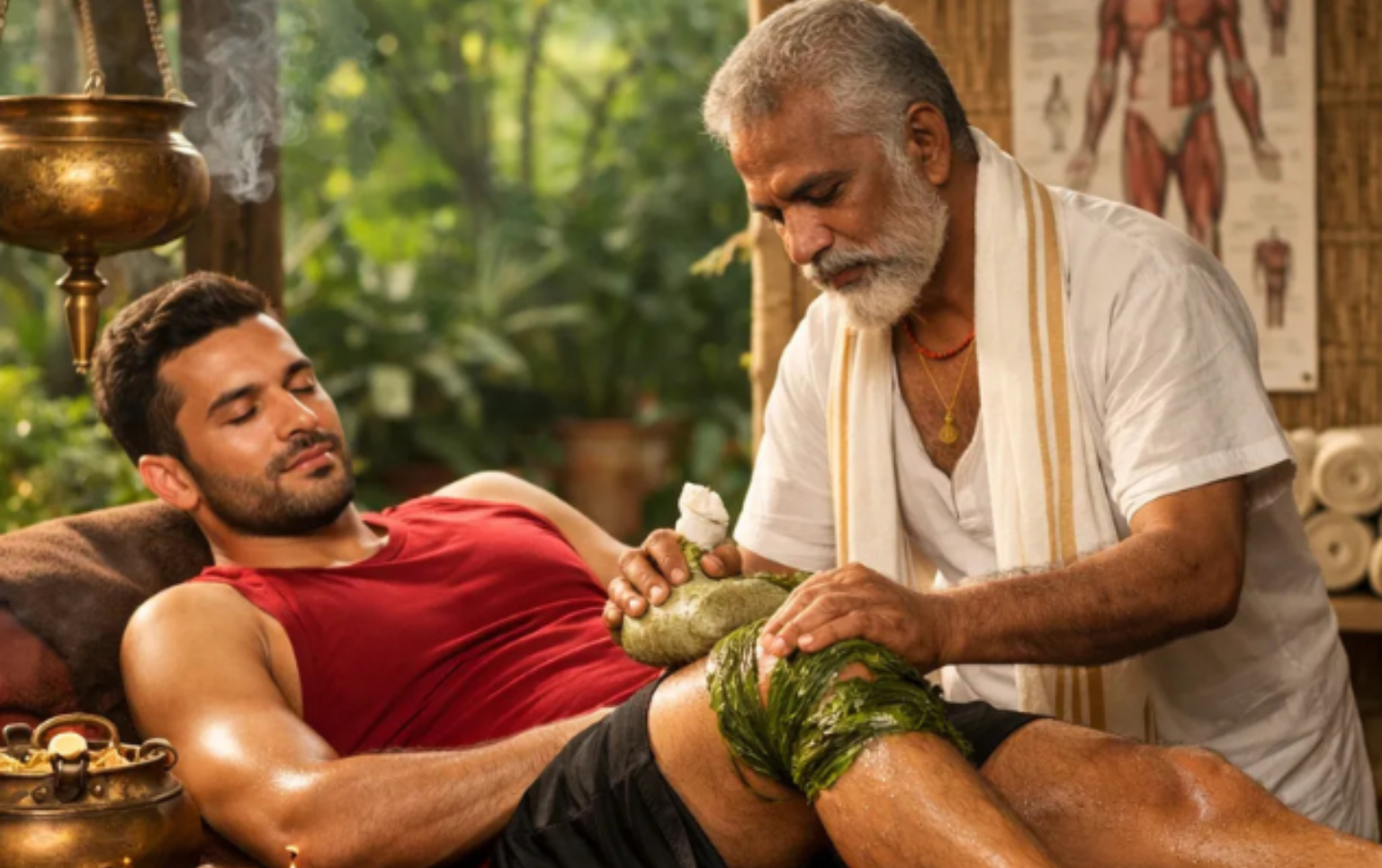
Once internal balance is restored, focused external therapies are applied to affected joints. Medicated oil massages improve circulation and nourish weakened joint tissues. Herbal steam and fomentation reduce stiffness, swelling, and movement restriction. These therapies help restore flexibility while slowing further joint degeneration.
Lasting recovery depends on correcting daily habits that strain the joints. You receive a customized diet plan to support lubrication and tissue nourishment. Lifestyle guidance includes posture correction, gentle movement, and routine regulation. This step ensures sustained relief and prevents recurrence of joint pain.
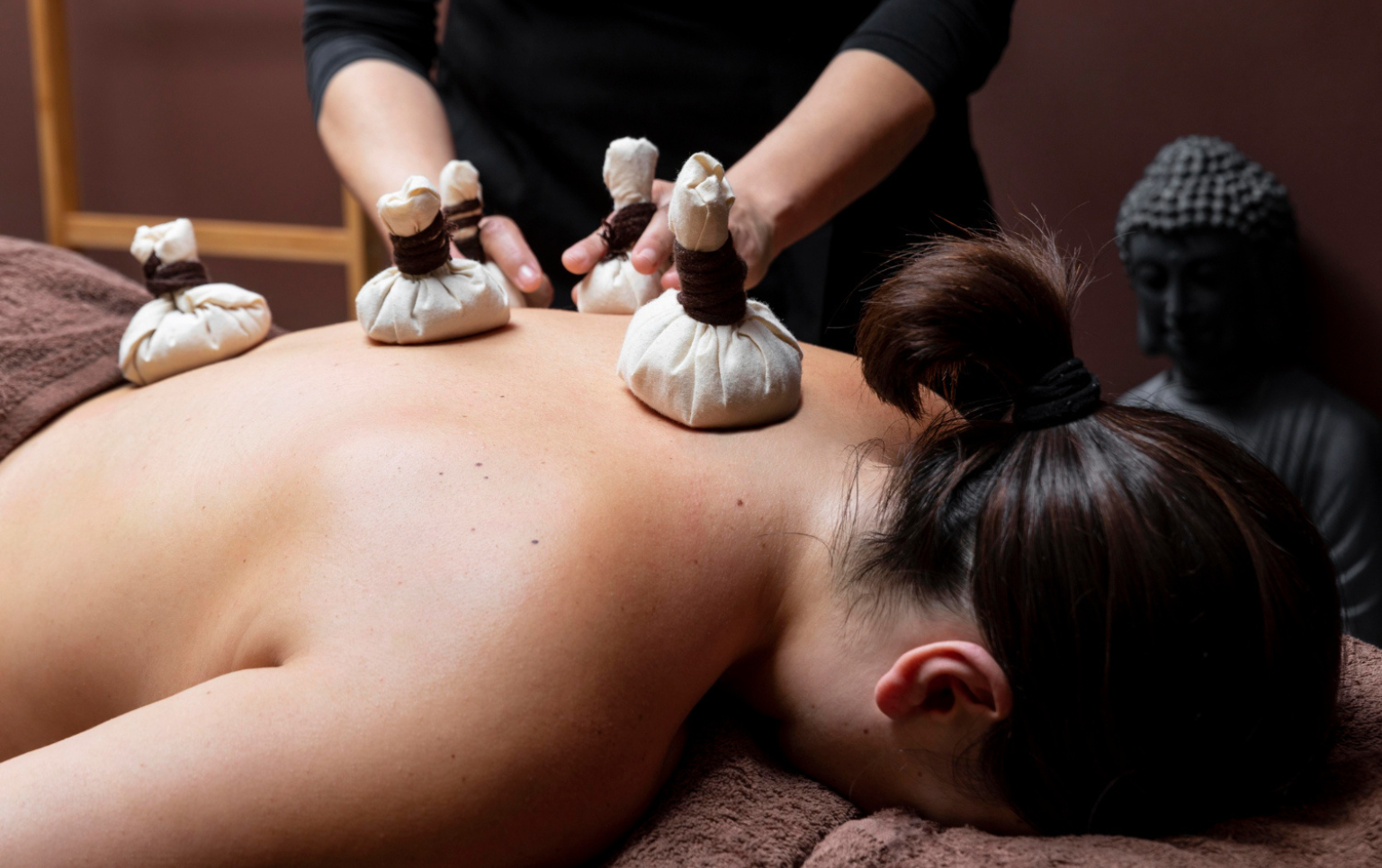
First, I sit with you to understand your lifestyle. Stress, diet, and digestion play a massive role in skin flare-ups. We will identify your specific triggers—whether it’s certain foods, weather changes, or stress levels.
Depending on your body type and severity, I administer specialized Panchakarma therapies.
While healing the inside, we must soothe the outside. I use:
Treatment doesn’t end when you leave my clinic. I will give you a specific dietary chart—foods to avoid (like sour curd, fermented foods, and excessive salt) and foods to embrace—to ensure your results are permanent.
Control inflammation and joint damage by addressing immune imbalance at its source. Begin a personalized Ayurvedic protocol for safer, long-term rheumatoid care.
Yes. Ayurveda focuses on addressing internal imbalances, tissue depletion, and poor circulation that contribute to joint degeneration. With the right therapies, medicines, and lifestyle corrections, progression can be slowed and joint function significantly improved.
No. Osteoarthritis and chronic joint pain can affect people of all ages due to lifestyle factors, injuries, or metabolic imbalances. Our protocols are customized based on age, condition severity, and individual body constitution.
Not necessarily. Existing medications are reviewed during consultation. Ayurvedic treatment is carefully integrated, and any changes are guided responsibly based on your condition and progress.
Improvement varies from person to person. Many patients experience reduced pain and stiffness within weeks, while deeper joint nourishment and mobility restoration may take a few months with consistent treatment and care.