
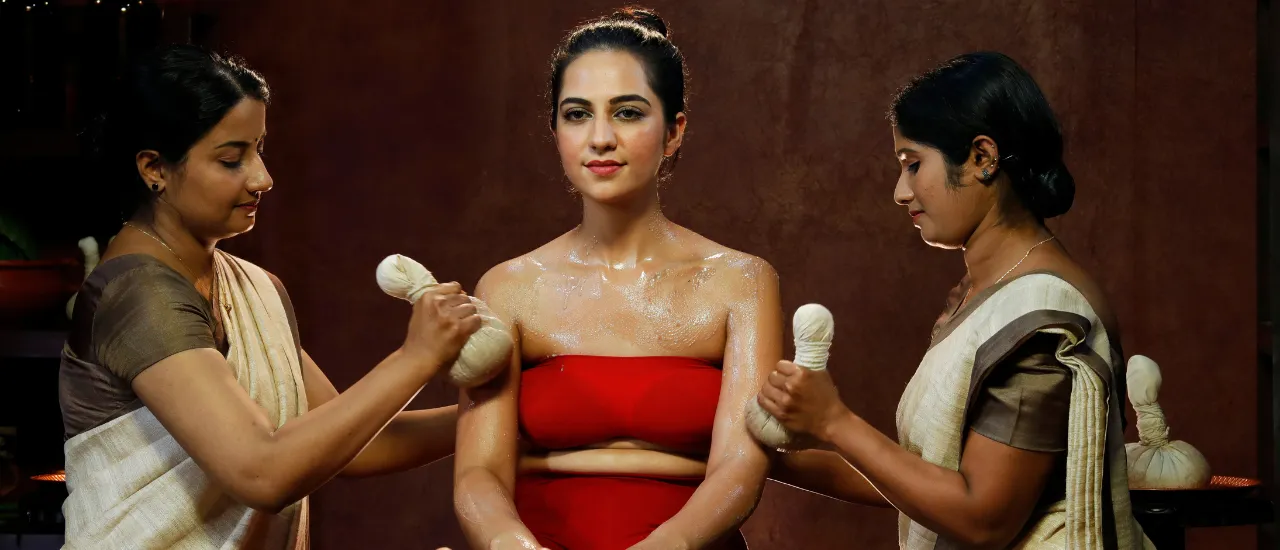
If you are reading this, you may be experiencing persistent muscle pain, stiffness, body aches, or movement-related discomfort that keeps returning despite painkillers, rest, or physiotherapy. I am Dr. Arun Radhesh R., and through years of Ayurvedic clinical practice, I have observed that musculoskeletal pain is rarely just a local muscle issue. It is often linked to Vata imbalance, muscle fatigue, toxin accumulation (Ama), poor circulation, and repetitive physical strain. As a fourth-generation Ayurvedic physician with a Doctorate in medical research, my approach focuses on relieving pain, restoring muscle flexibility, improving circulation, and preventing recurrence—naturally and sustainably.
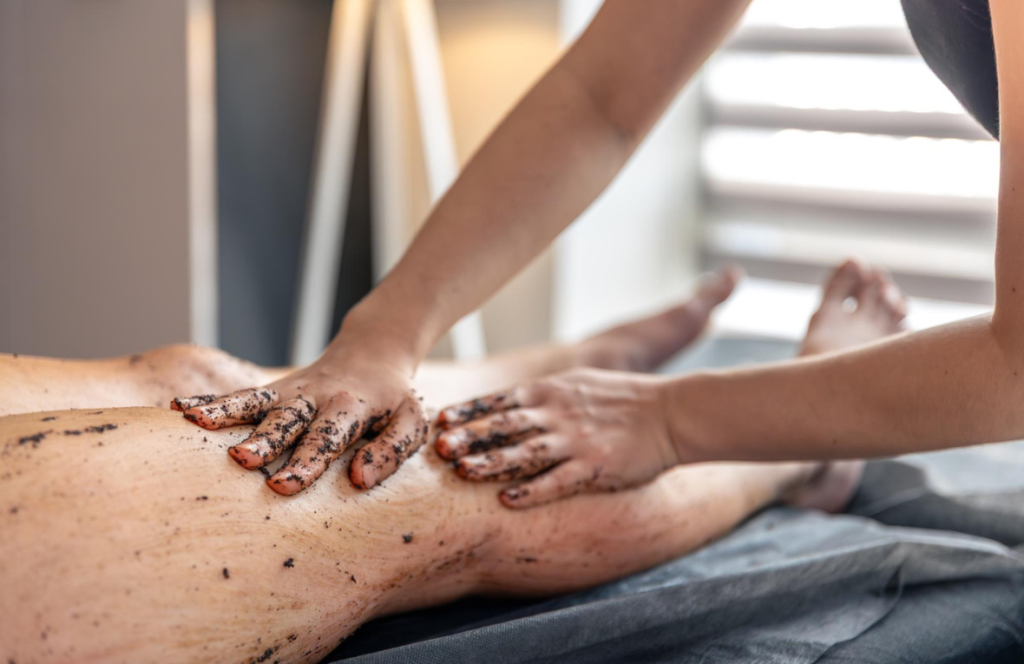
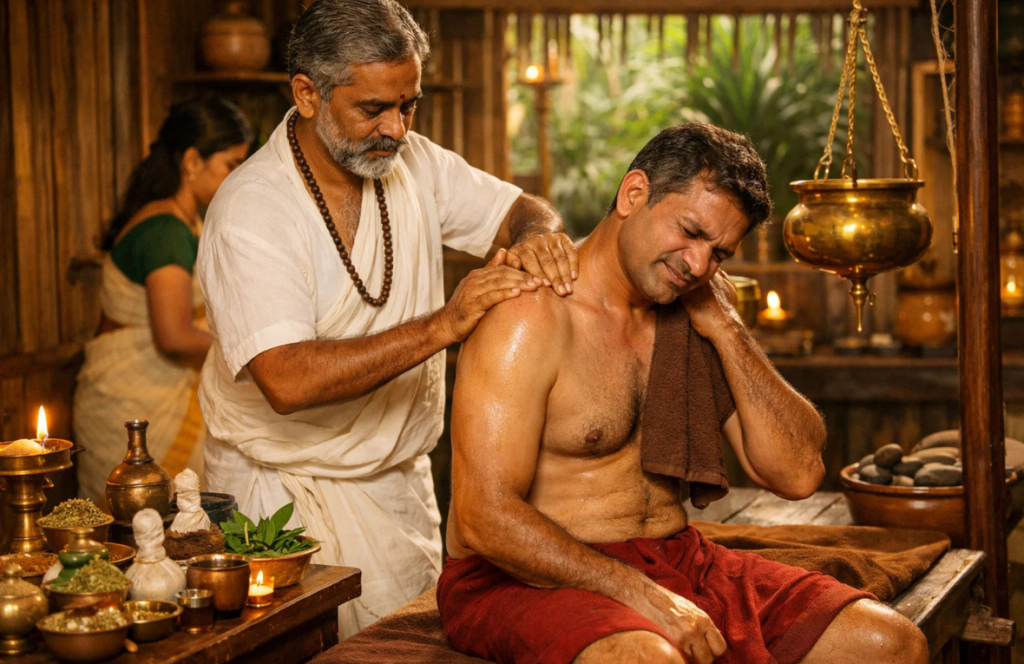
In Ayurveda, musculoskeletal pain is commonly classified under Vata Vyadhi, where dryness, stiffness, and nerve sensitivity dominate.
When muscles and connective tissues lose nourishment and flexibility, pain, spasms, and restricted movement develop. Painkillers may provide short-term relief, but they do not correct underlying imbalances or restore tissue health. True recovery requires balancing Vata, clearing toxins, and strengthening muscles from within.
My treatment protocol focuses on three essential pillars:
Calms aggravated Vata to relieve muscle stiffness, spasms, and pain.
Removes toxins and improves blood flow to reduce soreness and inflammation.
Rebuilds muscle strength and supports long-term tissue recovery.

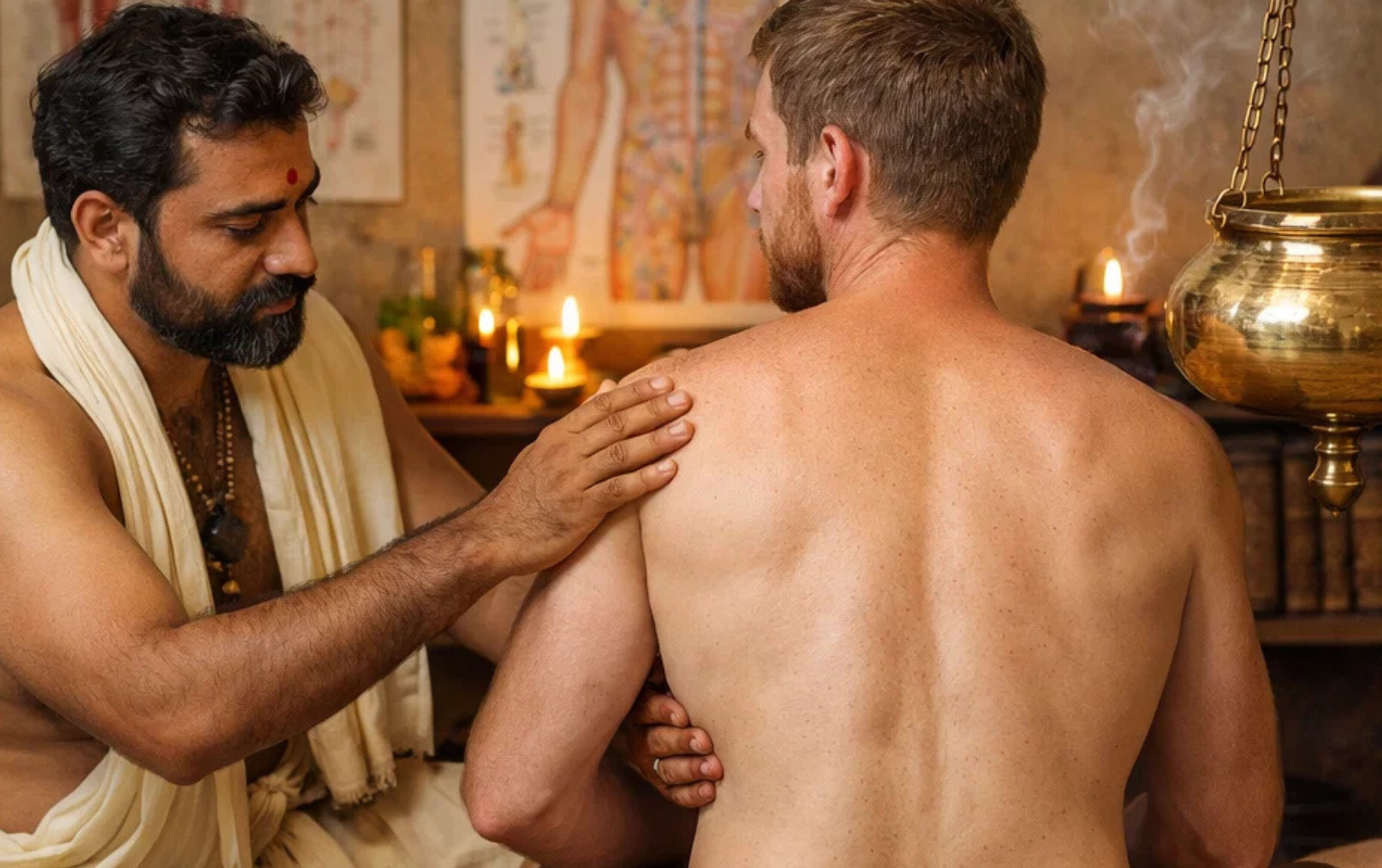
Ayurvedic management of musculoskeletal pain begins with a thorough assessment to identify the underlying cause of pain rather than focusing only on symptoms. This includes evaluating muscle strength, joint mobility, posture, injury history, work patterns, stress levels, digestive health, and dosha imbalance—especially Vata, which governs movement and pain. Identifying factors such as muscle strain, joint degeneration, poor circulation, toxin accumulation (Ama), or lifestyle-related stress allows for a personalized treatment approach that targets long-term relief.
Once the root cause is identified, internal detoxification therapies are initiated to eliminate toxins and balance aggravated Vata dosha. Ayurvedic purification and internal medications help reduce inflammation, stiffness, muscle tightness, and nerve sensitivity while improving digestion and circulation. Proper Vata regulation restores natural lubrication to joints and muscles, calms pain pathways, and creates an internal environment that supports effective healing and recovery.
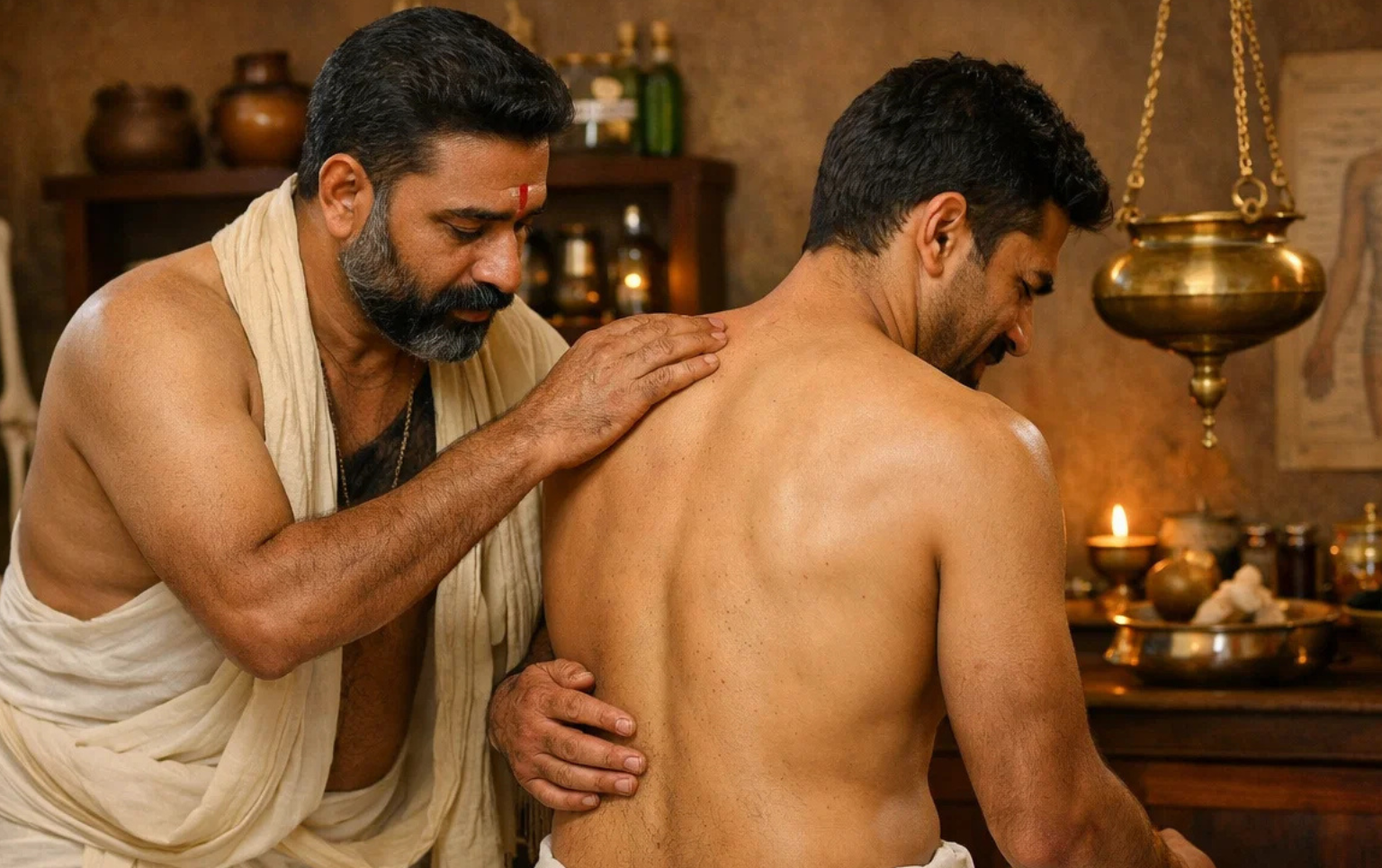
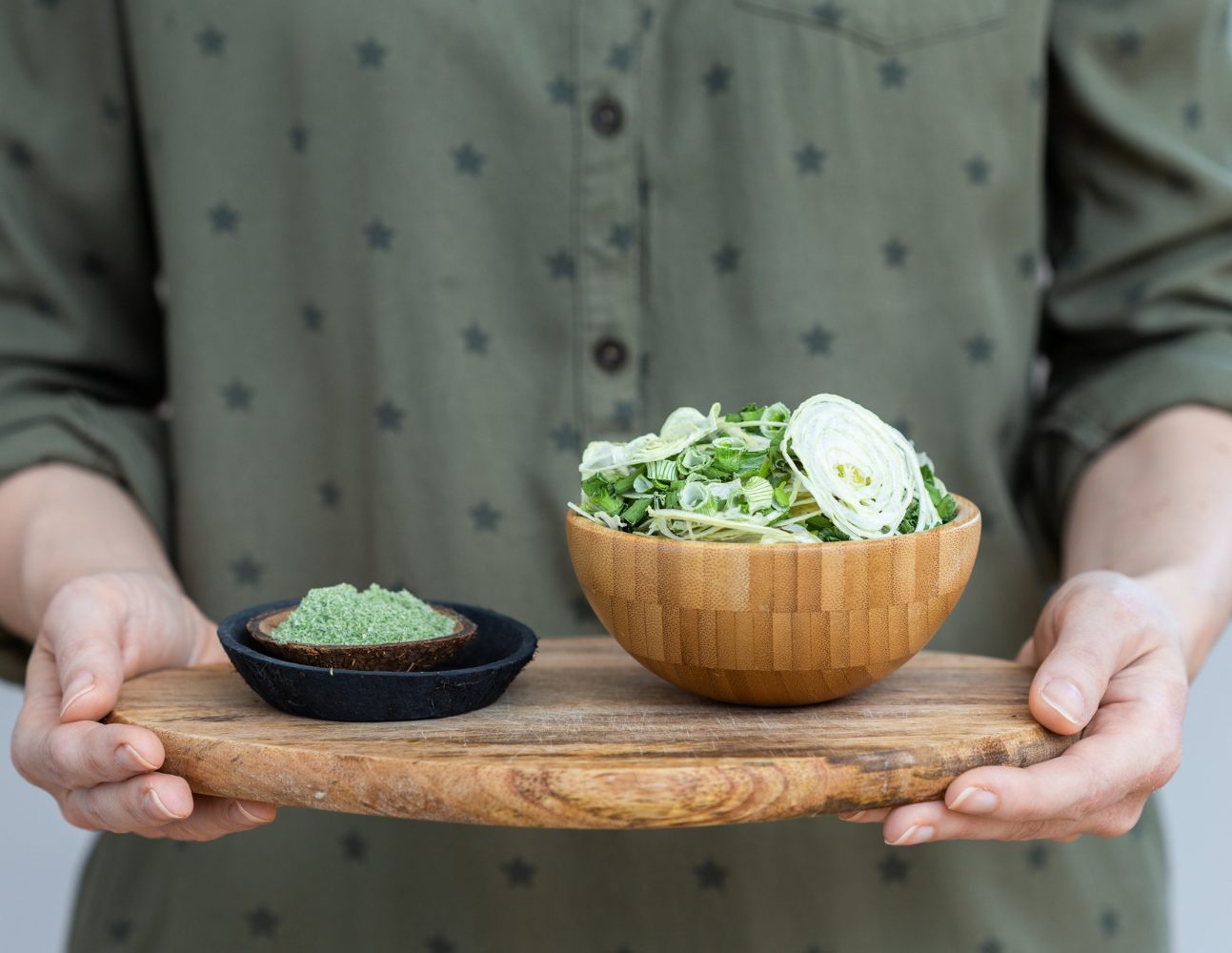
During active recovery, emphasis is placed on protecting and strengthening muscles through a personalized diet and lifestyle plan. This includes anti-inflammatory foods, adequate protein from Ayurvedic sources, proper hydration, regular meal timing, and routines that support muscle nourishment. Gentle stretching, therapeutic exercises, stress reduction, and adequate rest help prevent muscle fatigue and recurring strain while enhancing flexibility and endurance.
Long-term pain prevention focuses on sustaining musculoskeletal health through consistent dietary discipline and balanced daily routines. By maintaining Vata-pacifying nutrition, proper posture, regular movement, and mindful stress management, patients can prevent recurrence of pain and degeneration. These preventive measures strengthen muscles, joints, and connective tissues, ensuring lasting mobility, stability, and pain-free function even after treatment completion.
First, I sit with you to understand your lifestyle. Stress, diet, and digestion play a massive role in skin flare-ups. We will identify your specific triggers—whether it’s certain foods, weather changes, or stress levels.
Depending on your body type and severity, I administer specialized Panchakarma therapies.
While healing the inside, we must soothe the outside. I use:
Treatment doesn’t end when you leave my clinic. I will give you a specific dietary chart—foods to avoid (like sour curd, fermented foods, and excessive salt) and foods to embrace—to ensure your results are permanent.
Move beyond temporary relief and address the real causes of muscle and joint pain. Begin a personalized Ayurvedic protocol for flexibility, strength, and lasting comfort.
Pain often returns because the underlying causes—such as Vata imbalance, muscle fatigue, toxin accumulation (Ama), and poor circulation—are not addressed. Temporary treatments may reduce symptoms but do not correct the root imbalance.
Ayurveda focuses on restoring balance within the body through targeted therapies, herbal formulations, circulation enhancement, and muscle nourishment rather than suppressing pain alone.
This approach is effective for chronic muscle pain, stiffness, body aches, work-related strain, postural discomfort, repetitive stress injuries, and movement-related pain.
Many patients experience reduced pain and improved flexibility within a few weeks. Long-term relief and recurrence prevention depend on consistency, severity of the condition, and adherence to the personalized treatment plan.